
I’ve recently been playing a video game called Kingdom Come: Deliverance. This is a role-playing adventure which prides itself on creating a “realistic” portrayal of life as a medieval peasant. And, to be honest, it’s bloody hard! (Read: I’m not very good at it). At the same time, it’s an enjoyable game and one that is inherently rewarding to work through because of the challenges you face. You become stronger as you learn skills such as hunting, lock-picking and sword-fighting. You don’t just know how to do these things right off the bat. You also have to manage the character’s hunger, tiredness, injuries.
Of course, it’s never going to be 100% realistic. You can still summon your horse with a whistle and it’ll appear at your back in an instant; you can skip time and sit on a bench for 19 hours if you really want, though your hunger/thirst/energy will decrease accordingly. Yet it’s probably the first game I’ve played where I had to think about such things (I’m a bit impatient and not much of a strategist). It created an immersive experience and made me feel more connected to main character Henry. There were times, however, where I became frustrated–I kept getting killed and losing progress. This wasn’t a simple process. I had to think about what I was doing and sometimes I don’t want to do that in a game. In that light, the realism aimed for by such games could be seen as a potentially alienating element. Sometimes I just want to be an over-powered arse-kicking machine (looking at you, Geralt).
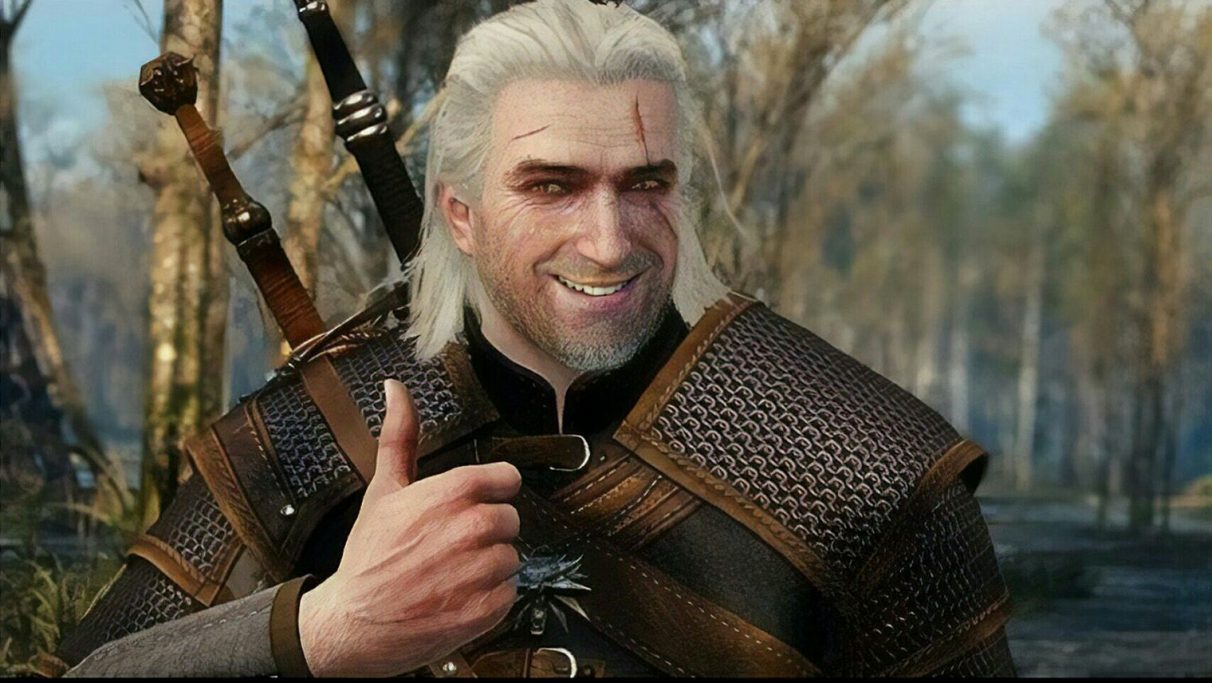
This got me thinking about realism within fantasy books. Reading about a character isn’t the same as playing as them… but there are similarities. In both reading and playing games, you are put in the viewpoint of a character or cast of characters and see the story playing out from their perspective. True, you have no control over how a book plays out (unless it’s a choose your own adventure), but you do choose what kinds of books you spend your time reading.

Do you like a main character who is good at everything from the start, or do you like to see them struggle through, make mistakes and grow? In books, certainly, I feel the satisfaction comes more from the latter; going on that journey with the character creates the link through which you are better able to experience the story. There are exceptions to this, particularly where the “iconic hero” comes into play (the likes of Gandalf, James Bond, Superman, Captain America). They certainly have their place and are incredibly enjoyable to watch. Personally, I will always want to see flawed, relatable characters over them.

The recent trend seems to be towards books that do focus on the “flaws” within characters and the ways in which these impact upon both the character and the story as a whole. There’s been a move away from fantasy stories that fit into the pre-existing tropes and cliches (though they are still present and exist for a reason!) and towards stories that do take into account aspects such as mental health. There are more and more realistic portrayals of anxiety, depression and PTSD to name a few. It’s not necessarily that these aspects are overtly discussed; it may simply be that, through the writer’s skill, the symptoms of such issues can be identified by the reader. In Robin Hobb’s Liveship Traders Trilogy, Captain Kennit is one such character whose past plays a role in who he is and what he becomes (no spoilers though). To me, she is a writer who focuses as much on character as plot and her stories are all the richer for it.
As someone who has suffered from both anxiety and depression, I do find such portrayals reassuring. Though reading can be used as an escape from real life, it can also be used as a way of finding comfort in similar experiences and seeing how characters work through them. I’ve recently been reading a lot about trauma and childhood attachment styles. Though these topics can be difficult to research at times, they’re also eye-opening. So much of our lives are shaped in our formative years and the experiences we go through. For me, I wanted to include this aspect of realism within my story-telling. If a character is emotionally distant, struggles to trust and yet is deeply insecure about their lack of closeness with others, there could be a reason for that–and learning what that is means I hope to immerse the readers in that character’s world, motivations, thoughts and feelings.

So, I suppose this is all to say that, to me, realism is about something deeper than mentioning that a character needs the toilet, is hungry, has their period or needs to sleep, though those aspects certainly help to ground. Perhaps it’s part of the other work I do as a counsellor, but I think that being able to acknowledge the inherent human weakness in all of us (however that may manifest) feels like an essential part of the story.
I’d love to hear what you think – what kinds of stories and characters draw you in? Do you want to learn about your character’s innermost thoughts, feelings and experiences, or would you prefer to escape into a fantasy world without the risk of reading about potentially difficult topics?
 Lucy A. McLaren
Leave a comment